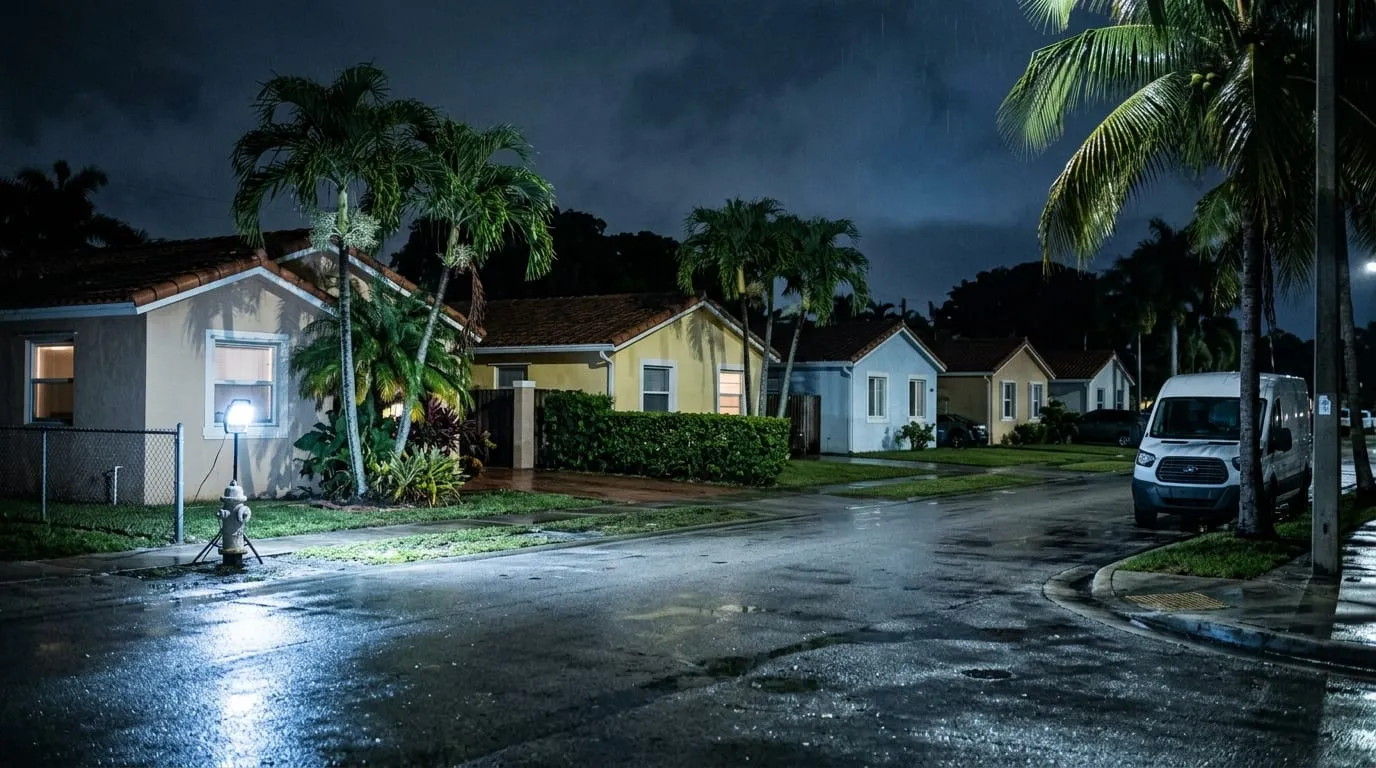
Nothing is visible
No basements and no crawlspaces. Supply and drain lines run in or under concrete, so the first sign is always secondary.
Located before anything opens · answered 24/7
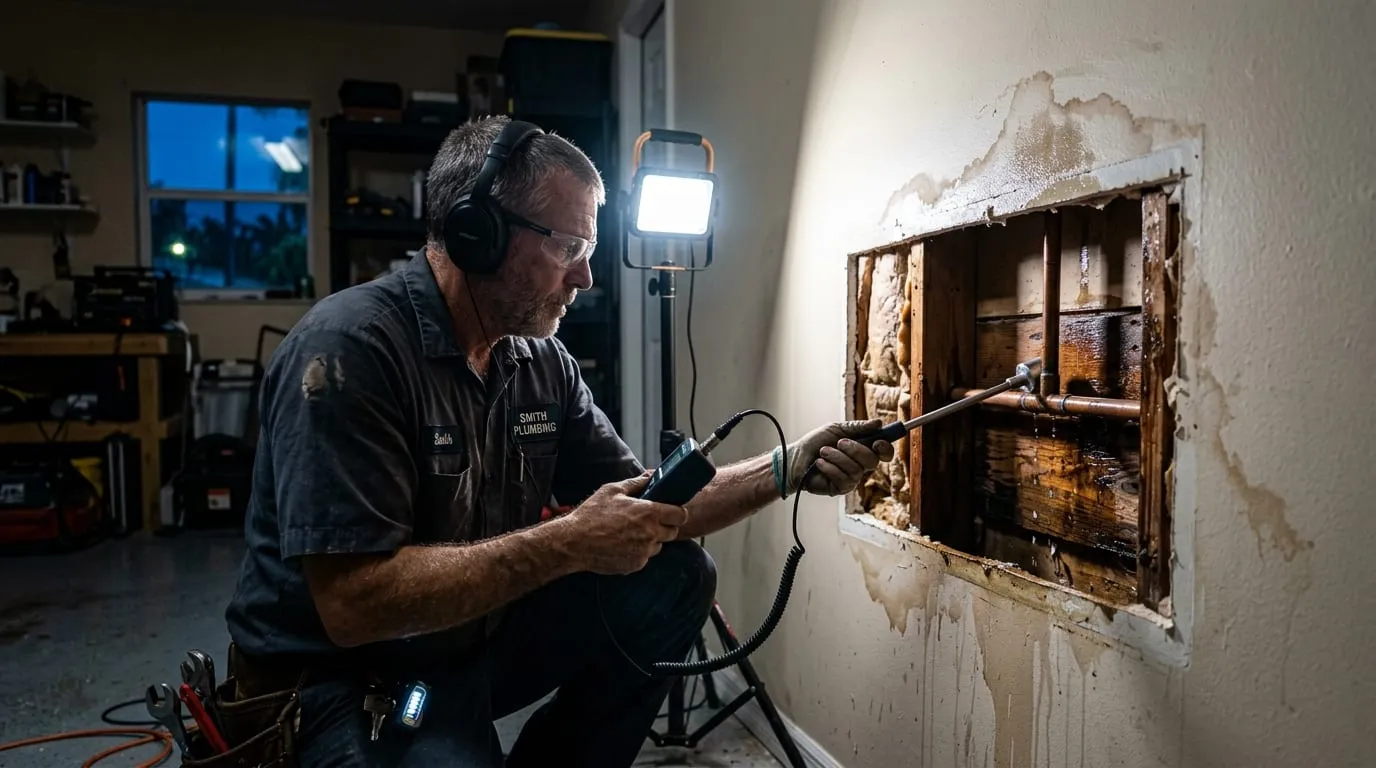
Acoustic listening, thermal imaging and pressure testing narrow the break to a point, so the opening is cut where the pipe failed rather than where the water surfaced.
Why is the wet spot not where the leak is?
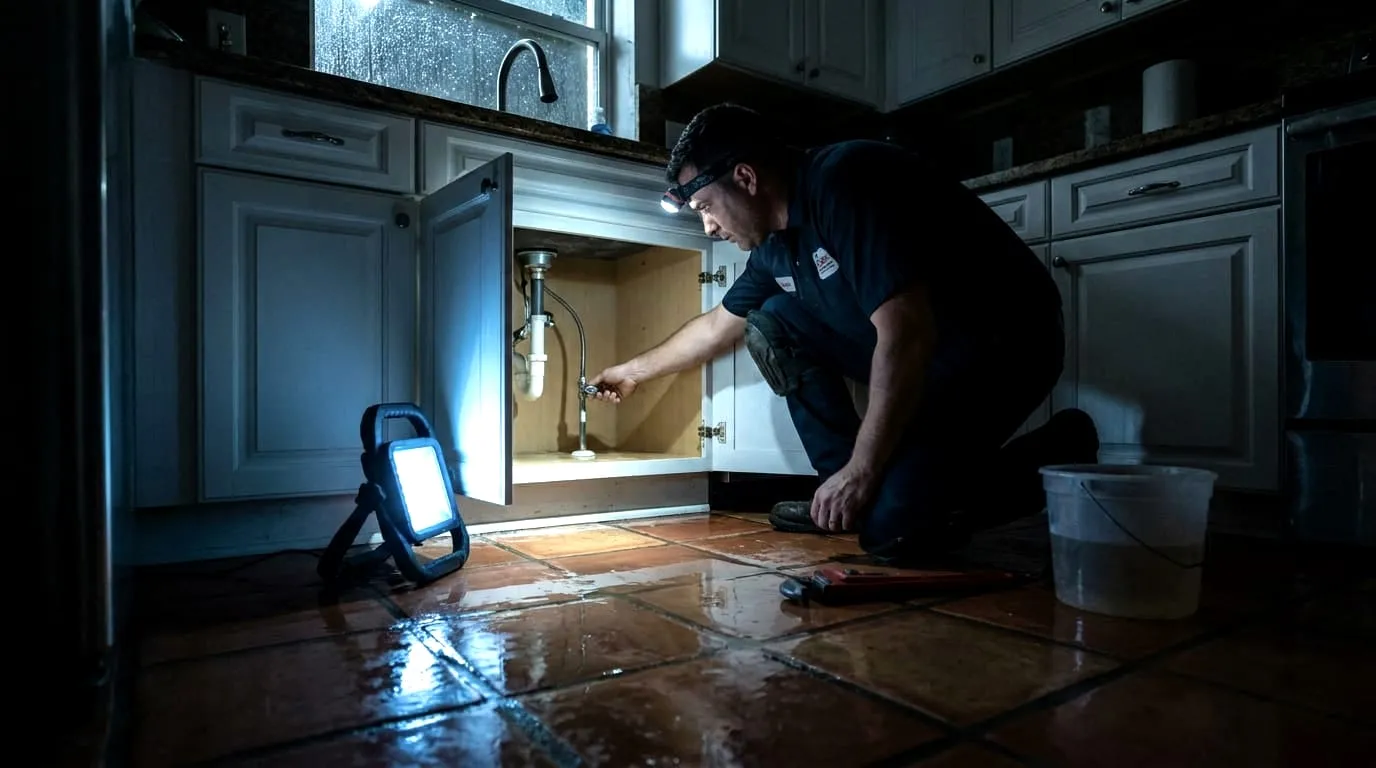
Because South Florida sits on a shallow water table and almost every house is slab-on-grade. Water leaving a pressurized line under concrete does not pool at the break: it travels through the fill until it finds a seam, a crack or the lowest point in the floor, and that is where it appears.
So the damp patch, the warm tile and the sound of running water are all evidence, and none of them is a location. Opening the floor where the water shows is how a small repair becomes a large one.
Detection is three tools used together. Acoustic equipment listens for pressurized water escaping through the slab. A thermal camera reads the temperature difference a hot-water leak makes under the floor. Pressure testing isolates which line has lost pressure, so the search starts on the right one.
What you are seeing
None of these locates the break. All of them are worth acting on.
A jump with no change in use is the clearest early signal, because a slab leak runs continuously and never stops overnight.
A hot-water line under the slab heats the concrete above it. The warm area is usually wider than the leak and offset from it.
With every fixture closed, you can sometimes hear it through the floor. That confirms a pressurized line rather than a drain.
Less at every tap, not just one, means the loss is upstream of the fixtures rather than at them.
Water follows the fill to the first place it can rise. A skirting board or a floor seam is a symptom of travel, not of location.
How the job goes
Four steps, in this order, because each one narrows what the next has to search.
Pressure test to establish whether it is a supply line or a drain, and which one. Searching for the wrong system is the most expensive mistake here.
Acoustic equipment for the escape, thermal for the temperature gradient. Between them they narrow a slab run to a small area.
The break is marked on the floor before any tool touches concrete, and you see how it was arrived at.
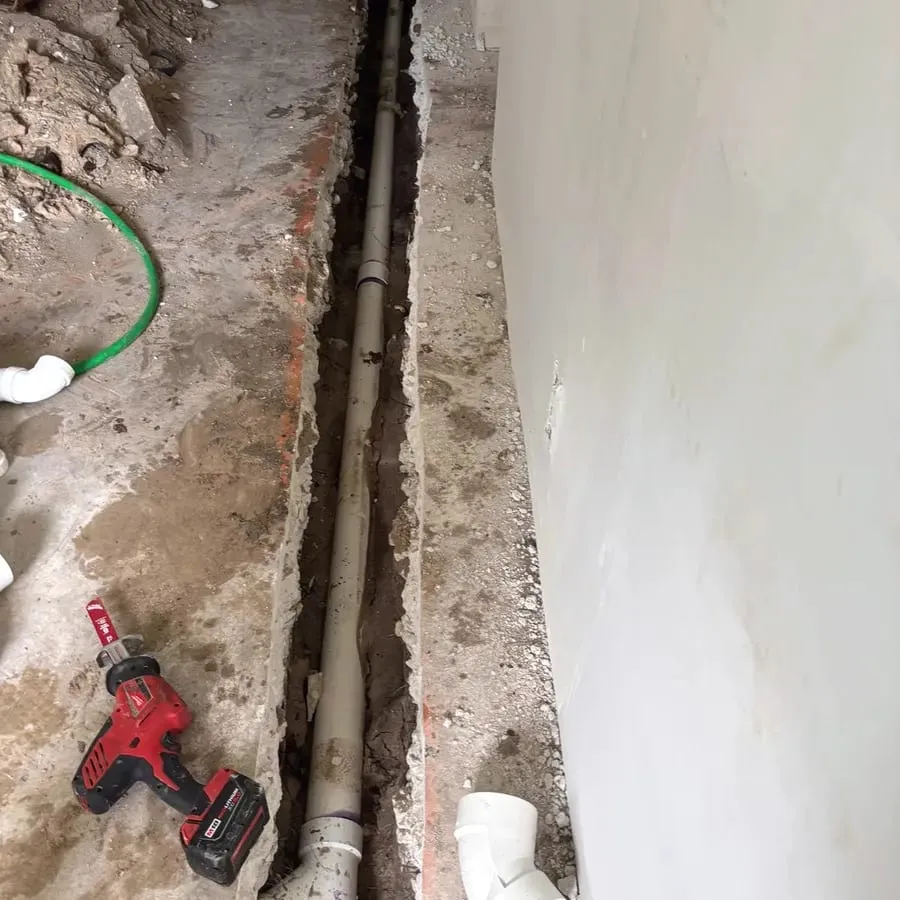
One opening over the marked point. Photographs of the failure and an itemized invoice in the form an insurance adjuster asks for.
Why here
Detection is harder here than it is inland, and for reasons that are specific to this coast.
No basements and no crawlspaces. Supply and drain lines run in or under concrete, so the first sign is always secondary.
Escaping water spreads through fill instead of pooling, which is exactly what breaks the assumption that the wet spot marks the break.
Heavy rain raises the table further and puts upward pressure against foundations, which is why leaks often surface in the wet months.
Along the coast, copper supply lines corrode from the outside as well as the inside, so a pinhole can appear in a line that is not especially old.
A thermal camera finds a hot-water leak quickly and a cold-water leak barely at all. Which line failed changes which tool leads.
Our work
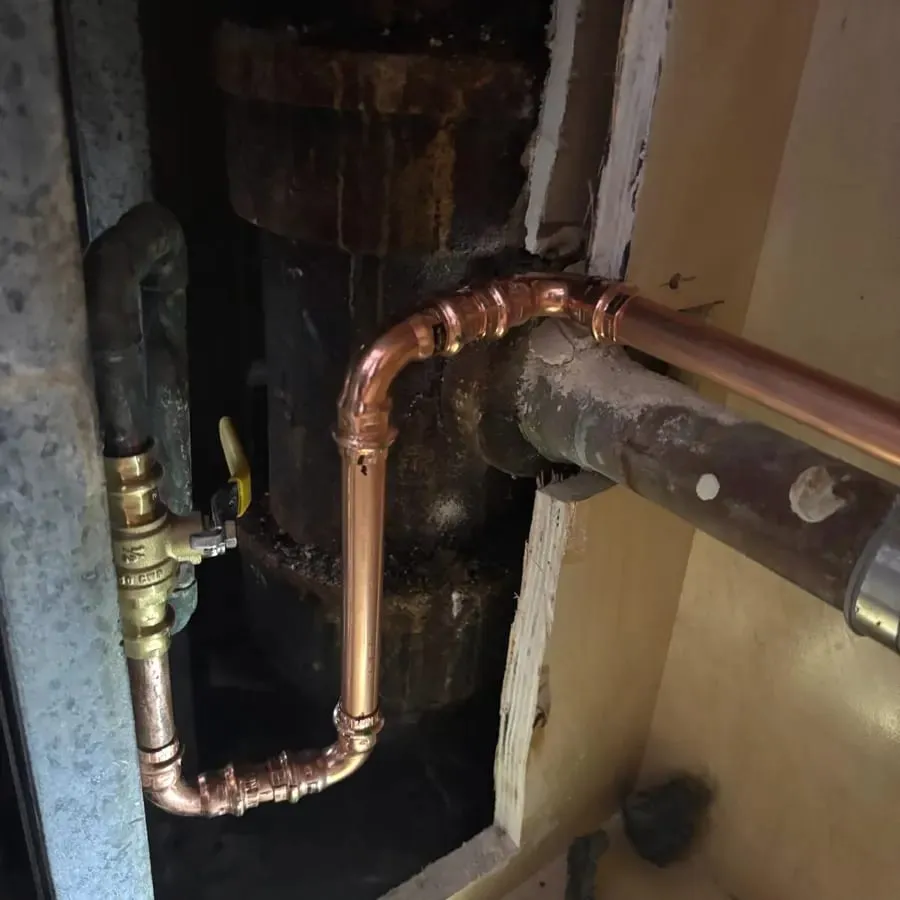
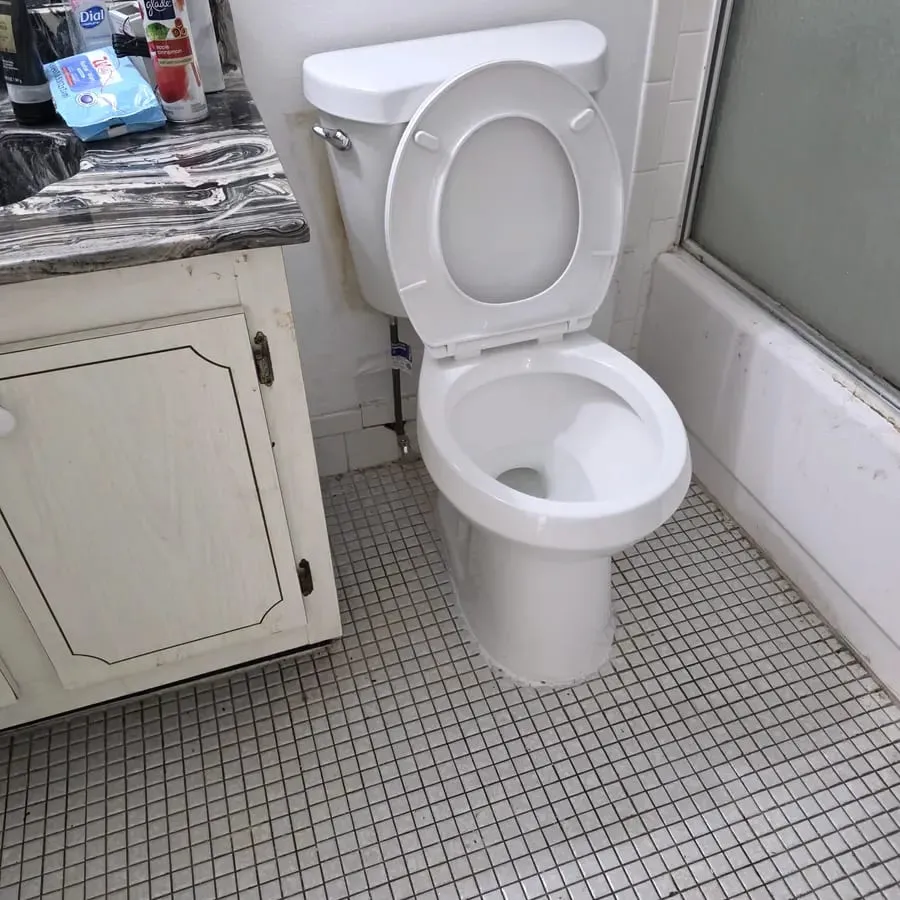
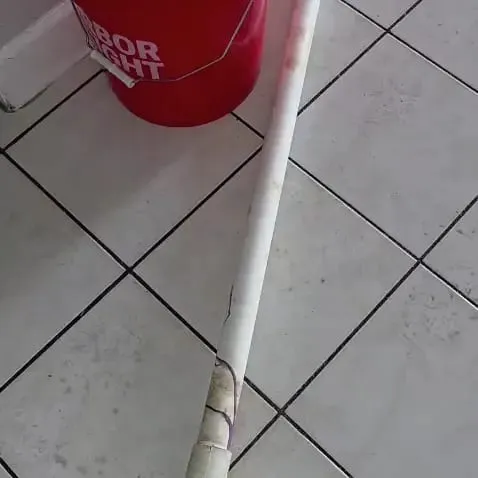
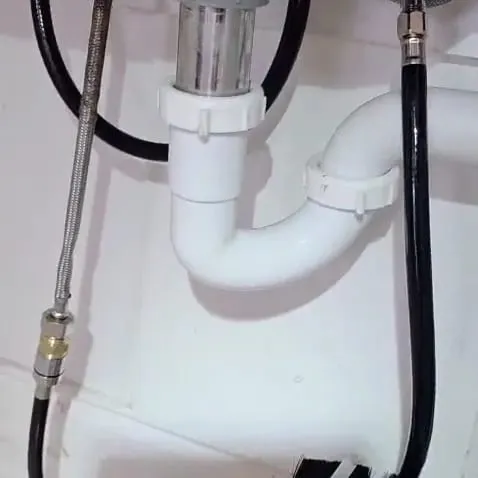
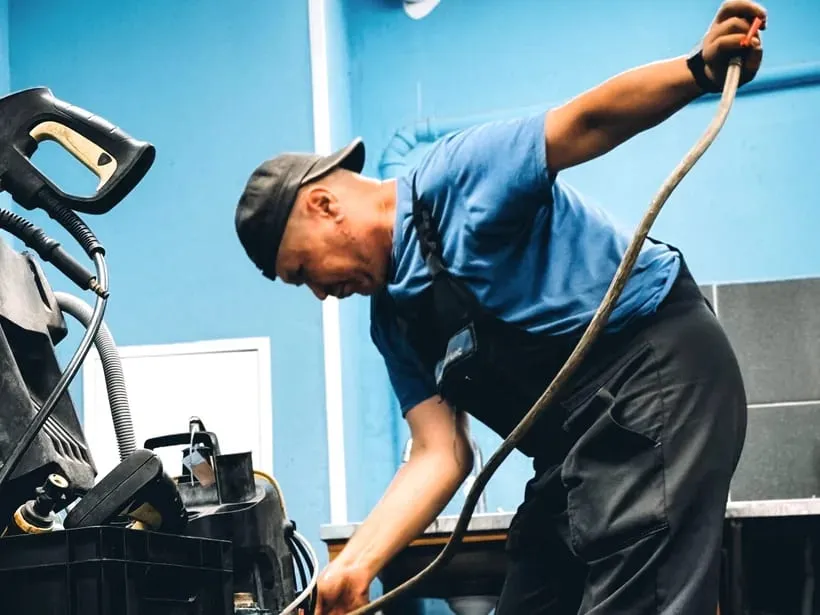
Taken on site by the crew, not bought from a stock library.
Reviews
Real reviews from the company’s own Google Business Profile, quoted with the reviewer’s public name.
77of the 77 reviews captured from the profile are five stars, and none is below five.
Read straight from the Google Business Profile on August 20, 2026. Counted, not estimated.
Open the Google profileMike came and save me the day he replaced my waterheater after It was flooded all over thanks God there is emergency plumbing SFL BIG RECOMANDATION

Moti gave exceptional service ! He arrived quickly and was done less than an hour ! Will use this company again

Had a really slow drain in my bathroom and it was driving me crazy. The guy who came out was super chill and found a bunch of hair and gunk clogging it up. He cleared it out in like 20 minutes, and now it’s draining faster than before! …
Questions
Locating it is non-invasive: acoustic, thermal and pressure testing all work through the slab. Repairing it is not: something has to be opened. The point of detecting first is that it is one small opening in the right place.
Accurate enough to cut one opening rather than several. It is not a magic X-ray: on a long run under furniture and tile, the answer is an area rather than a pinpoint, and we tell you which of the two you have.
It is continuous, which is not the same as sudden. It will not flood the house in an hour, but it runs every hour and washes fines out from under the foundation while it does. It should not be left for a season.
It often is, and that is worth ruling out before anyone opens a floor. Both are separate pressurized systems and both get tested the same way.
Yes. Detection and repair are the same visit where the fix is straightforward. Where the line has failed along its length rather than at a point, the honest answer is a repipe, and you get that answer with the evidence for it.
Related work
The jobs that most often follow a detection visit.
Live dispatch · 24 / 7 / 365
A person answers at any hour, and the leak gets located before anything is opened.
No obligation. Work performed under Florida plumbing contractor license CFC1433655.